
Strings
How to choose a violin for beginners
For most beginners, a full-size (4/4) acoustic violin with a bow, case, and rosin included is the right starting point. Size matters most: an instrument that is too large causes strain and slows progress. Ask your teacher to confirm the size before buying.
Shop violins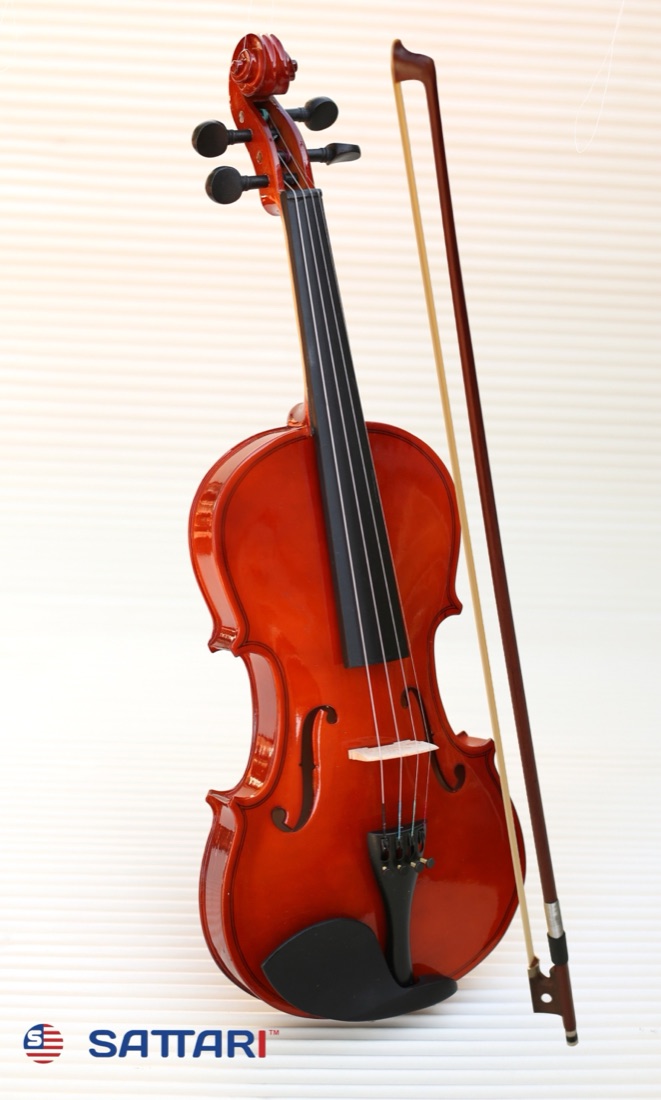
Get the right size first
Adult players and most teenagers use a full-size (4/4) violin. Younger children and smaller players may need a 3/4 or smaller instrument. The right way to check is with the player present: hold the violin in rest position under the chin, extend the arm along the neck, and see whether the fingers can reach and curl around the scroll without strain. If you cannot measure in person, ask the teacher for a size recommendation before purchasing.
Playing a violin that is too large causes tension in the shoulder, arm, and wrist, and makes shifting and bowing harder to learn. An instrument that is slightly too small is also limiting. Getting the size right matters more than any other specification at the beginner level.
Acoustic, electric, or silent?
An acoustic violin needs no power source and produces sound naturally through the body. It is the standard choice for lessons, classical training, and players who want an instrument with an organic, resonant tone. Acoustic violins require a practice environment where some sound is acceptable.
An electric or silent violin uses a piezo pickup and produces very little acoustic sound on its own. Connect headphones for private practice or plug into an amp to perform. Silent violins are practical for apartments or shared spaces. An acoustic violin is the better starting point for most students; a silent model is a good second instrument or the right choice where volume is a real concern.
What a beginner violin should include
A violin sold as a beginner instrument should include a bow, a case, and rosin. These are not optional: you cannot play without a bow, and a bow cannot grip the strings without rosin. A case protects the instrument during transport and storage. Verify that all three are part of what you are buying before assuming they are included.
The bow matters more than many beginners expect. A warped or low-quality bow is difficult to control and obscures whether the player is making progress. Check that the bow is straight by sighting down the length of the stick and that the hair is in good condition.
Signs of a well-made instrument and red flags to avoid
A good beginner violin is individually set up before it ships: the bridge is correctly fitted and positioned, the nut slots are cut to the right depth, and the strings are at a comfortable height. An instrument that is poorly set up is harder to play and will not hold tune reliably. Ask explicitly whether the instrument has been set up.
Red flags include pegs that slip immediately, an open seam on the body, visible cracks, a bridge that tilts forward or backward, or strings so high off the fingerboard that the fingers cannot press them down comfortably. These problems are fixable but add cost and time. A workshop-fitted instrument from a reputable seller avoids most of them before the player even picks it up.