
Drums
What drumsticks should a beginner use?
5A hickory drumsticks are the standard starting point for beginners. The 5A size is versatile, comfortable for most hand sizes, and works well across rock, pop, and practice sessions. Hickory absorbs shock well, which reduces fatigue.
Shop drumsticks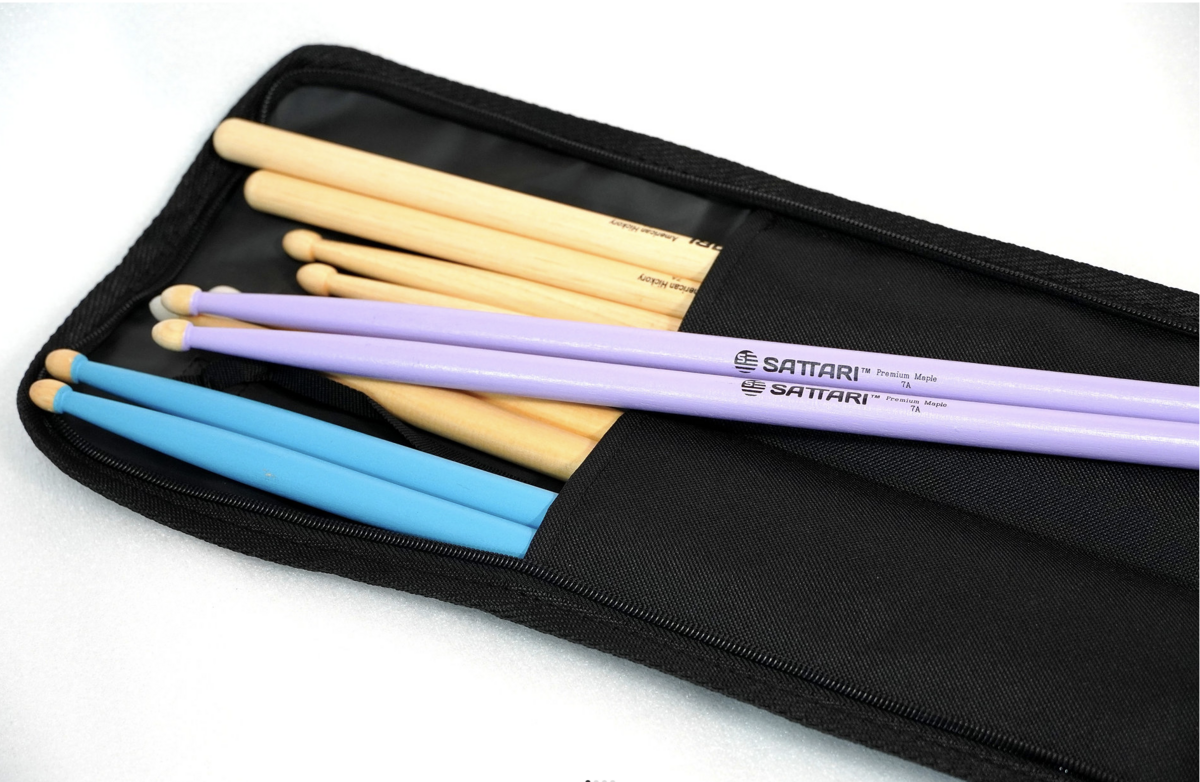
Why stick size matters
Drumstick sizes are named with a number and a letter — 5A, 7A, 2B, and so on. The number refers roughly to how many sticks fit within a certain diameter (lower numbers = thicker sticks). The letter indicates the original intended use: A for orchestra, B for band, S for street. In practice, the number is what matters most.
5A is the most widely used size and the best starting point for most beginners. It is balanced, comfortable for a range of hand sizes, and versatile enough to cover most playing situations. 7A is thinner and lighter — popular for jazz and lighter playing, but can feel fragile for hard practice. Thicker sizes like 2B are designed for volume and power, not for developing technique.
Hickory vs maple
Most drumsticks are made from hickory or maple. Hickory is denser and heavier, absorbs shock well, and gives the player more feedback from the drumhead. Hickory sticks are durable and forgiving — a good choice for beginners who are still developing control.
Maple is lighter than hickory, which makes it faster and easier to play for extended periods. The reduced weight also means less rebound from the head. Maple sticks are popular with jazz drummers and players who value speed over power. Either wood works for a beginner; hickory is the more common starting recommendation.
Wood tips vs nylon tips
A wood tip gives a warm, full sound on cymbals and a natural feel on drums. A nylon tip is brighter and more articulate on cymbals — it catches the surface more precisely, which is useful when cymbal definition matters. Nylon tips are also more durable; they do not chip the way wood tips can.
For practice pads and in-room practice, there is no meaningful difference. For playing with a kit and cymbals, nylon tips give a brighter, more defined sound on ride and hi-hat. Wood tips blend more naturally into a mix. Neither is wrong — it depends on the sound you prefer and the music you are playing.
When to move to a different size
Stick with the same size long enough to develop consistency. Switching sticks too early makes it harder to build a reliable stroke. Most beginners should use the same pair for at least several months before experimenting with a different size or material.
Consider moving to a heavier stick if you are playing louder music and want more weight behind each stroke. Consider moving lighter if fatigue is limiting your practice time. The right stick is the one that lets you play longer with better control — not the one endorsed by your favourite drummer.